A structured reading materials-based intervention program to develop the psychological capital of Chinese employees
Main Article Content
In this study we introduced an easy-to-use, structured reading materials-based psychological capital (PsyCap) intervention program, and examined its effectiveness with a sample of 234 employees in China. The results at posttest showed that PsyCap and job performance of the intervention group significantly increased after the program, whereas they remained unchanged in the control group. These results support the effectiveness of the intervention program, and confirm that PsyCap can be developed. Analyses of follow-up retest scores taken 3 months after the program was conducted showed that overall PsyCap, hope, and job performance were significantly higher in the intervention group than in the pretest group. Furthermore, the program control group’s PsyCap and job performance retest scores were significantly lower than their pretest scores. The results suggest a long-lasting, though not robust, effect of the intervention.
There is a wealth of theoretical and empirical research using the positive psychology approach, initiated by Seligman and his colleagues (Seligman & Csikszentmihalyi, 2000). Following on from this, Luthans (2008) expanded the ideology of positive psychology into the area of human resource management and organizational behavior. In 2004, Luthans proposed the concept of psychological capital (PsyCap), which has since drawn a lot of attention from psychologists and managers. Luthans and coworkers described PsyCap as a state-like psychological resource that is positive, measurable, able to be developed, and has impact on human competitive edge (Luthans & Youssef, 2004). As studies on PsyCap accumulate, increasing numbers of researchers and managers have come to realize that employees’ PsyCap is critically important for enterprise competitiveness. Consequently, intervention for the purpose of developing PsyCap has become a focus of research in positive organizational behavior. In this study we aimed to develop a simple but effective intervention program to improve Chinese employees’ PsyCap.
Psychological Capital
PsyCap is one of the core concepts of positive organizational behavior. It comprises four components: optimism, hope, efficacy, and resilience, which are defined as follows: Optimism is an explanatory style in which one attributes positive events to internal, permanent, and pervasive causes, and negative events to external, temporary, and situation-specific causes; hope is having the willpower and pathways to attain one’s goals; efficacy is believing in one’s ability to mobilize cognitive resources to obtain specific outcomes, and resilience is having the capacity to bounce back from adversity, failure, or even positive but seemingly overwhelming changes such as increased responsibility (Luthans & Youssef, 2004; Luthans, Youssef, & Avolio, 2007).
Job Performance
Job performance is usually regarded as the process and the result of work behavior. Van Scotter and Motowidlo (1996) divided job performance into three facets, namely, interpersonal facilitation, job dedication, and task performance. Task performance relates to the specific content of a job, and includes attributes such as individuals’ task proficiency, motivation, and experience, which allow them to perform their own tasks effectively. In contrast to task performance, contextual performance emphasizes the contextual and indirectly associated aspects of a job. Contextual performance can be divided into interpersonal facilitation and job dedication. Interpersonal facilitation includes interpersonal behaviors that contribute to a positive organizational situation, and that are beneficial to job performance. Job dedication is mainly focused on self-disciplined behaviors, such as taking the initiative to contribute to an organizational goal (Borman & Motowidlo, 1993).
Previous researchers have consistently demonstrated the positive effect of PsyCap on organizational attitudes, organizational behaviors, and job performance. Researchers have revealed that PsyCap directly influences job engagement, job satisfaction, job performance, organizational commitment, counterproductive work behavior, and organizational citizenship behavior (Avey, Luthans, & Youssef, 2010; Avey, Nimnicht, & Pigeon, 2010; Luthans, Avolio, Avey, & Norman, 2007). Peterson, Luthans, Avolio, Walumbwa, and Zhang (2011) adopted a latent growth modeling approach to investigate the relationship between PsyCap and job performance in a sample of 179 employees in the USA. Their results confirmed that improvement of PsyCap can increase employees’ job performance. The boosting impact of PsyCap on job performance has also been demonstrated in Chinese culture in some recent studies (Ding, 2009; Luthans, Avolio, Walumbwa, & Li, 2005; Zhong, 2007).
Intervention and PsyCap
As researchers have consistently verified that PsyCap can facilitate the improvement of employees’ organizational attitudes, organizational behaviors, and job performance, as well as contributing to the competitive edge of organizations, they have been trying to find ways to develop employees’ PsyCap in organizational settings. Fortunately, PsyCap has been demonstrated to be a state-like psychological resource that can be developed in highly focused intervention training program of very short duration (Luthans, Avey, & Avolio, 2006). Luthans et al. (2006) initiated a microintervention to promote participants’ PsyCap. They designed various techniques or operations to develop each of the four components of PsyCap, which then led to an improvement in overall PsyCap (see Figure 1). Results obtained in their follow-up studies supported the effectiveness of the microintervention on PsyCap, and the intervention resulted in improvement in job satisfaction, job performance, and increased return on investment (Luthans et al., 2005; Luthans, Avey, Avolio, & Peterson, 2010).
The arena of PsyCap intervention (PCI) has a short history and there is a need to develop effective intervention techniques or programs that can be widely applied in organizational practice. To date, however, PCI studies are still quite sparse, especially in Chinese organizations. It is not clear yet if intervention methods developed in Western societies apply to Chinese society as well.
To improve employees’ PsyCap in Chinese organizations, researchers (e.g., Wen & Qi, 2009; Zhong, 2007) have hypothesized that possible approaches include lectures, seminars, training (e.g., daily-life intervention, web-based training, group training), employee assistance programs (EAP), and interventions based on Luthans et al.’s (2006) microintervention model. Nevertheless, the feasibility of these intervention methods in Chinese contexts remains unclear. Moreover, these intervention methods demand long periods of time, much human resource investment, and the professional guidance of experts, and their effectiveness is not easy to evaluate. All these demanding requirements restrict the popularization of PsyCap interventions.
To fill this gap, based on the microintervention model of Luthans et al. (2006) and social learning theory of Bandura and McClelland (1977), we developed an easily implemented structured reading intervention program. In the structured reading material, we firstly presented a brief and clear introduction to the concept, with a definition, description of benefits, and behavioral manifestation of PsyCap. Then pathways to develop hope, optimism, efficacy, and resilience were presented to instruct the readers on how they could achieve these positive psychological qualities in daily life and work. Similar to the input points set out by Luthan et al. (2006) in their microintervention model (see Figure 1), we designed the reading material in our intervention program to develop hope through intervention on goal design and overcoming obstacles, optimism through intervention on optimistic attribution and expectation, efficacy through intervention on imitating others and persuasion, and resilience through intervention on building asset factors, avoiding risk factors, and changing the impact of setbacks. Following the pathways corresponding to each of the four PsyCap components, we presented one or two real-life stories, along with analyses of how the people in the stories successfully developed their PsyCap.
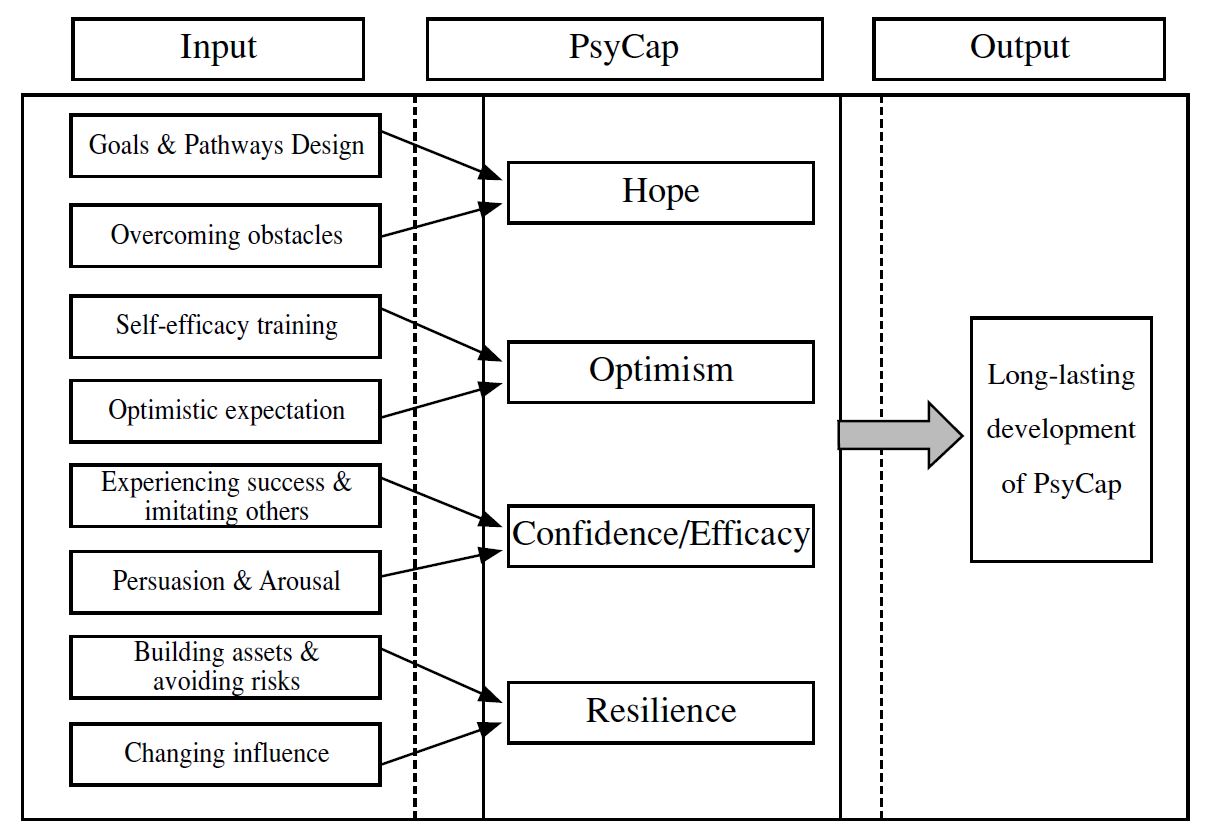
Figure 1. Microintervention model based on Luthans et al. (2006).
Note. The left column indicates intervention input toward each of the four components of PsyCap listed in the middle column. The right column represents the output or the goal of intervention, i.e., a long-lasting and true development of PsyCap.
In the present study, the PsyCap intervention process consisted of asking participants to read the structured material. We expected the intervention to work through several pathways. First, the reading material might activate the participants’ motivation to develop their PsyCap after they learned of the contribution of PsyCap to personal mental health, job performance, and occupational success, considering the current competitive social environment, in which people strive to be competent in work and to maintain health under high pressure. This is similar to the process of people’s motivation and intention to participate in physical exercise increasing once they fully realize the importance of exercise. Some researchers have found that reading materials related to health education can promote participants’ motivation to take exercise (Milne, Orbell, & Sheeran, 2002). Second, we provided the participants with feasible pathways (Luthans et al., 2006) to develop PsyCap in life, as well as examples that told participants how other people have succeeded in acquiring behaviors that exhibit a high level of PsyCap. According to Bandura and McClelland’s (1977) social learning theory, individuals can acquire knowledge and behaviors through vicarious learning from social role models. Thus, we expected that employees would be inspired by the stories after they realized the meaningfulness of PsyCap; hence, they would take action in daily life and, consequently, boost their PsyCap.
In our study, we implemented this structured reading materials-based intervention program in Chinese companies, and used a pretest-posttest-retest design to examine its effectiveness by comparing employees’ PsyCap and job performance between an intervention group and a control group. We measured PsyCap and job performance for both groups at each of the test points. Specifically, we hypothesized that relative to pretest, PsyCap and job performance would improve at posttest and retest, with greater improvement in the intervention group than in the control group.
Method
Participants and Procedure
Participants were randomly recruited from five companies in Qinhuangdao, China. At pretest phase, 298 questionnaires were distributed, 289 were retrieved, and 278 of those were valid. The valid sample from the pretest phase was then randomly divided into two groups: an intervention group with 130 participants, and a control group with 148 participants. Some participants failed to complete the intervention, posttest, or retest; thus, their data were deleted. Finally, the data of 234 participants (105 from the intervention group, and 129 from the control group) were included in follow-up analyses. Of the 234 valid participants, 59.2% were male and 40.8% female; 15.4% were aged below 25 years, 67.9% between 26 and 35 years, and 16.7% between 36 and 45 years; 29.9% had finished junior college, 54.3% had undergraduate degrees, and 15.8% had degrees at the master’s level or above; 27.8% held marketing jobs, 38.0% technical jobs, 4.3% manufacturing jobs, and 9.9% administrative or service jobs.
Pretest session. All participants completed self-administered questionnaires to measure their PsyCap and job performance.
Intervention session. In each of the five companies, participants in the intervention group were assembled and sat individually in a large conference room. To hide the true purpose of the intervention, all participants in the intervention group were instructed to join a social survey about the relationship between job characteristics and reading ability. Participants were informed of the true purpose when all study sessions were complete. Each participant was asked to sign an informed consent form and complete a personal information questionnaire. Then they were provided with the structured reading material, and informed that they had 30 minutes to read the material independently and silently. The reading material was designed according to the microintervention model developed by Luthans et al. (2006) and Bandura and McClelland’s (1977) social learning theory as outlined in our introduction. After completing the reading, five questions were asked to check if each participant had carefully read the material and comprehended its meaning. We deleted the data of participants who failed to correctly answer one or more of the five questions.
Control group. The procedure for the control group was similar to that for the intervention group, except that they were not given the intervention description or the structured reading material.
Posttest and retest sessions. To examine the effectiveness of the intervention, PsyCap and job performance of both the intervention and control groups were posttested one week after the intervention. To investigate the long-term effect of the intervention, PsyCap and job performance were retested three months after the intervention. The data of 25 participants from the intervention group and 19 participants from the control group were deleted, as they failed to answer the questions correctly in the intervention session, or did not complete the posttest or retest session.
Measures
Psychological capital. PsyCap was measured using the 24-item Psychological Capital Questionnaire (PCQ-24) developed by Luthans, Youssef, and Avolio (2007), and translated into Chinese version by Li (see Luthans, 2006, 2008). The questionnaire includes six items for each of the four factors of hope, optimism, efficacy, and resilience. The participants were instructed to rate their degree of agreement on each item on a 6-point Likert scale where 1 = low agreement and 6 = high agreement. Cronbach’s α of the whole PCQ-24 was .88, and for the four subscales .79 (efficacy), .74 (hope), .74 (resilience), and .71 (optimism), respectively. The confirmatory factor analysis (CFA) of the four-factor model indicated a good fit to the data [χ2 = 374.71, df = 246, root mean square error of approximation (RMSEA) = .07, comparative fit index (CFI) = .94, normed fit index (NFI) = .86, nonnormed fit index (NNFI) = .94, incremental fit index (IFI) = .94].
Job performance. Job performance was measured using the Contextual Performance Questionnaire (CPQ) developed by Van Scotter and Motowidlo (1996). The questionnaire (Cronbach’s α = .89) consists of 15 items measuring three components: job dedication (Cronbach’s α = .76), task performance (Cronbach’s α = .84), and interpersonal facilitation (Cronbach’s α = .84). All items were rated on a 6-point Likert scale where 1 = low agreement and 6 = high agreement. The CFA of the four-factor model indicated a sound fit to the data (χ2= 222.49, df = 87, RMSEA = .07, CFI = .96, NFI = .94, NNFI = .95, IFI = .96).
Common Method Variance
Because we measured both PsyCap and job performance using self-ad- ministered questionnaires in the present study, there could have been a problem of common method variance (CMV). Harman’s one-factor test was implemented to statistically test for CMV. The typical operation of the test is to load all measurement items into an exploratory factor analysis, and to examine the factors extracted in unrotated factor solution. The problem of CMV would be serious if a single factor emerged from the factor analysis, or one of the factors explained the majority of the covariance among the measurement items (Podsakoff, MacKenzie, Lee, & Podsakoff, 2003). We employed this technique to check for CMV at pretest, posttest, and retest, respectively. The results showed that 10 factors were extracted, with the largest one accounting for 27.52% of the total variance in pretest; 10 factors were extracted, with the largest one accounting for 31.59% of the total variance in posttest; and 7 factors were extracted, with the largest one accounting for 30.56% of the total variance in retest. The results indicated that CMV was unlikely to be a problem in the present study, as none of the factors extracted explained the majority of the total variance; that is, none exceeded the threshold recommended by Hair, Anderson, Tatham, and Black (1998).
Results
PsyCap at Pretest
The descriptive results of participants’ PsyCap at pretest are shown in Table 1. One-way analysis of variance (ANOVA) revealed that there were no significant age-, education-, or occupation-related differences on PsyCap (ps > .10). Males had significantly higher scores on PsyCap than did females (t = 2.00, p < .05).
Table 1. Descriptive Results of Participants’ PsyCap at Pretest

Effect of Intervention on PsyCap
The results of PsyCap for the intervention and control groups are displayed in Table 2. At the pretest session, there was no significant difference in the level of PsyCap between the intervention group and the control group (t = 1.67, p = .10), which indicates the success of the random assignment of participants. A repeated measures ANOVA on PsyCap, with experimental condition (intervention vs. control group) as the between-subject variable, and measuring points (pretest vs. posttest) as the within-subject variable, showed a significant interact effect between condition and measuring points [F(1, 232) = 58.16, p < .001, η2p = .20]. Further, an analysis of covariance (ANCOVA) of PsyCap at posttest, with experimental condition as the fixed factor and PsyCap at pretest as the covariate, indicated that PsyCap at posttest in the intervention group was significantly higher than that in the control group after controlling the difference of PsyCap at baseline (i.e., at pretest) between the two groups [F(1, 231) = 65.84, p < .001, partial η2p = .22]. The same analyses of the four components of PsyCap showed similar results (ps < .01). These results indicate that the program was effective in improving the PsyCap of the intervention group.
A repeated measures ANOVA of PsyCap, with experimental condition (intervention vs. control group) as the between-subject variable, and measuring points (pretest vs. retest) as the within-subject variable, showed a significant interact effect between condition and measuring points [F(1, 232) = 13.11, p < .001, η2p = .05]. Further, an ANCOVA of PsyCap at retest, with experimental condition as the fixed factor and PsyCap at pretest as the covariate, indicated that PsyCap at retest in the intervention group was significantly higher than that in the control group after controlling the difference of PsyCap at baseline (i.e., at pretest) between the two groups [F(1, 231) = 12.27, p < .01, η2p = .05]. The same analyses of the four components of PsyCap yielded significant results only for hope (p < .01), and not for the other three components (ps > .05). The results indicated that the long-term effect of intervention on PsyCap was sustained to some extent in that the effect could be detected only on the hope component and overall PsyCap.
Table 2. PsyCap and Job Performance of Two Groups at Different Test Sessions (M±SD)

To further test the validity of the intervention on PsyCap, participants’ job performance as an indicator was measured at each of the three test sessions. The correlations among job performance, PsyCap, and its four components are displayed in Table 3. It can be seen in Table 3 that job performance was highly correlated with PsyCap and its four components. In addition, changes in job performance values from pretest to posttest (job performance at posttest minus job performance at pretest) were significantly correlated with changes in PsyCap values from pretest to posttest (r = 0.64, p < .01). The changes in values between pretest and retest were also significant for the correlation between job performance and PsyCap. The close relationship between job performance and PsyCap indicates that job performance is a suitable indicator of PsyCap intervention. The mean values of job performance at each test session are listed in Table 2. The results revealed a changing trend in job performance similar to that of PsyCap among the three test sessions. ANCOVA showed that job performance at both posttest and retest were significantly higher in the intervention group than they were in the control group after controlling for differences in job performance between the two groups at pretest [F(1, 231) = 58.08, p < .001, η2p = .20; F(1, 231) = 4.15, p < .05, η2p = .02]. The results supported our hypothesis about the effectiveness of a structured reading materials-based intervention in improving PsyCap.
Table 3. Correlation Between PsyCap and Job Performance

Note. N = 234. * p < 0.05, ** p < .01.
Discussion
In the present study we developed a new PCI program and tested it with employees in five Chinese companies. The intervention program was designed based on the microintervention model (Luthans et al., 2006) and social learning theory (Bandura & McClelland, 1977), and it was presented in the form of structured reading materials. A comparison between pretest and posttest scores revealed that overall PsyCap and its four components significantly increased after the PsyCap intervention in the intervention group, but in the control group no significant change in PsyCap was detected. The results support the effectiveness of a structured reading material-based intervention in Chinese culture. Job performance was also found to improve after the intervention program in the intervention group, while remaining unchanged in the control group. Job performance was highly correlated with the level of PsyCap, as was the change in job performance values from pretest to posttest. The results support the close relationship between PsyCap and job performance, and further confirm the effectiveness of the intervention program.
PsyCap has been accentuated and proven to be a developable state-like psychological resource (Luthans & Youssef, 2004). Our results in this study support the malleability of PsyCap in the cultural context of China. Our results also support the findings of previous researchers who have demonstrated that the microintervention model developed by Luthans et al. (2006) is applicable in Chinese culture (Wen & Qi, 2009). As for the practical contribution, in this study we developed an easy-to-use intervention program to improve employees’ PsyCap in a Chinese setting. Several intervention methods to develop PsyCap have been proposed in literature (Luthans et al., 2006; Wen & Qi, 2009; Zhong, 2007). However, nearly all these methods, including the microintervention model itself, demand the consumption of many human, material, and time resources; thus, they are only practicable to a limited extent. The intervention method introduced in the present study was demonstrated to be effective in Chinese companies, and, moreover, was simple to conduct. As employees are asked only to read textual material attentively in the intervention program we developed, it could be administered by managers without relevant professional skills, and it could be used on a large scale in organizations.
Some may argue that the increase in PsyCap in the intervention group might not result from the effect expected of the intervention, but from a learning effect, meaning participants in the intervention group cognized the definition and structure of PsyCap from the reading material and, consequently, obtained better scores on the PCQ. Nevertheless, it is unlikely that the change in scores on the PCQ in the intervention group can be attributed merely to a learning effect because the PCQ is not an ability test, and it was not necessary for the participants to learn particular information to get a higher score on the questionnaire. Moreover, if the change in scores on the PCQ was caused simply by learning effect, then the amplitudes of the change should be equal among the four PCQ components, i.e., hope, optimism, efficacy, and resilience. A 4 (hope, optimism, efficacy, and resilience) × 2 (pretest and posttest) repeated measures ANOVA for the intervention group revealed a marginally significant interaction effect [F(1, 312) = 2.40, p = .06], which indicated that each of the four components of PsyCap changed to a different extent after intervention. This result suggests that the change in PsyCap in the intervention group could not be caused simply by a learning effect. In sum, we believe the intervention program in the present study should be effective. In reality, learning of relevant knowledge could be an important approach to PsyCap development. It could be beneficial for employees to learn what PsyCap is, how it operates, and how their daily life and job can be impacted by PsyCap. Such knowledge would help employees to acquire a clearer view of pathways to improve their PsyCap and performance, and motivate them to imitate social role models and take action to achieve a higher PsyCap level.
A single intervention could be effective but our results in this study showed that the effect seemed not to be very long-lasting. The comparison between pretest and retest revealed that only the intervention effect of the overall PsyCap and hope were maintained three months after the original intervention, but the effect of intervention in other aspects disappeared. It seems that a single intervention was insufficient for a stable improvement of PsyCap. Future researchers may investigate if continuous multiple interventions could sustain a lasting development of PsyCap.
There were several limitations in the present study. First, self-rated job performance might be biased by the participants’ subjective willingness. Future researchers may consider using objective measures of job performance as an indicator of PsyCap. Second, the control group in the present study received no intervention description or reading material which makes the intervention group and control group less well matched. A better experimental condition for the control group might be that participants read text material unrelated with PsyCap, and similar in length to that of the reading material for the intervention group.
Avey, J. B., Luthans, F., & Youssef, C. M. (2010). The additive value of positive psychological capital in predicting work attitudes and behaviors. Journal of Management, 36, 430-452. http://doi.org/b5qtc3
Avey, J. B., Nimnicht, J. L., & Pigeon, N. G. (2010). Two field studies examining the association between positive psychological capital and employee performance. Leadership & Organization Development Journal, 31, 384-401. http://doi.org/dkj6dj
Bandura, A., & McClelland, D. C. (1977). Social learning theory. New York: General Learning Press.
Borman, W. C., & Motowidlo, S. J. (1993). Expanding the criterion domain to include elements of contextual performance. In N. Schmitt & W. C. Borman (Eds.), Personnel selection in organizations (pp. 71-98). San Francisco, CA: Jossey-Bass.
Ding, C. (2009). Employees’ psychological capital effect on job performance and job involvement in China. Unpublished master’s thesis, Henan University, People’s Republic of China.
Hair, J. F., Anderson, R. E., Tatham, R. L., & Black, W. C. (1998). Multivariate data analysis (5th ed.). Englewood Cliffs, NJ: Prentice-Hall.
Han, Y., Liao, J., & Long, L. (2007). Model development and an empirical study of the construct of employee job performance [In Chinese]. Journal of Management Sciences in China, 5, 62-77.
Huang, H. (2009). Employees’ subjective turnover intention based on psychological capital [In Chinese]. Journal of Nanjing Audit University, 6, 7-10.
Kong, F., & Zhao, X. (2011). An empirical study of the transmission mechanism between psychological capital and organizational commitment [In Chinese]. Soft Science, 8, 97-114.
Larson, M. D., & Luthans, F. (2006). Potential added value of psychological capital in predicting work attitudes. Journal of Leadership & Organizational Studies, 13, 75-92. http://doi.org/cpk5tz
Luthans, F. (2008). Psychological capital: Developing the human competitive edge [In Chinese, translated by C. Li]. New York: Oxford University Press.
Luthans, F., Avey, J. B., Avolio, B. J., Norman, S., & Combs, G. (2006). Psychological capital development: Toward a micro-intervention. Journal of Organizational Behavior, 27, 387-393. http://doi.org/czvdch
Luthans, F., Avey, J. B., Avolio, B. J., & Peterson, S. J. (2010). The development and resulting performance impact of positive psychological capital. Human Resource Development Quality, 21, 41-67. http://doi.org/dg4gb4
Luthans, F., Avolio, B. J., Avey, J. B., & Norman, S. (2007). Positive psychological capital: Measurement and relationship with performance and satisfaction. Personnel Psychology, 60, 541-572. http://doi.org/bjbhzd
Luthans, F., Avolio, B. J., Walumbwa, F. O., & Li, W. (2005). The psychological capital of Chinese workers: Exploring the relationship with performance. Management and Organization Review, 1, 249-271. http://doi.org/d78vsf
Luthans, F., & Youssef, C. M. (2004). Human, social, and now positive psychological capital management: Investing in people for competitive advantage. Organizational Dynamics, 33, 143-160. http://doi.org/bdpv5w
Luthans, F., Youssef, C. M., & Avolio, B. J. (2007). Psychological capital: Developing the human capital edge. Oxford, UK: Oxford University Press.
Milne, S., Orbell, S., & Sheeran, P. (2002). Combining motivational and volitional interventions to promote exercise participation: Protection motivation theory and implementation intentions. British Journal of Health Psychology, 7, 163-184. http://doi.org/c7gjbn
Peterson, S. J., Luthans, F., Avolio, B. J., Walumbwa, F. O., & Zhang, Z. (2011). Psychological capital and employee performance: A latent growth modeling approach. Personnel Psychology, 64, 427-450. http://doi.org/bzzr37
Podsakoff, P. M., MacKenzie, S. B., Lee, J.-Y., & Podsakoff, N. P. (2003). Common method biases in behavioral research: A critical review of the literature and recommended remedies. Journal of Applied Psychology, 88, 879-903. http://doi.org/czw
Seligman, M. E. P., & Csikszentmihalyi, M. (2000). Positive psychology: An introduction. American Psychologist, 55, 5-14. http://doi.org/brdhzg
Van Scotter, J. R., & Motowidlo, S. J. (1996). Interpersonal facilitation and job dedication as separate facets of contextual performance. Journal of Applied Psychology, 81, 525-531. http://doi.org/bfp76h
Wen, L., & Qi, S. (2009). Experimental research on the effect of intervention to psychological capital of employee [In Chinese]. China Journal of Health Psychology, 17, 672-675.
Zhong, L. (2007). Effects of psychological capital on employees’ job performance, organizational commitment, and organizational citizenship behavior [In Chinese]. Acta Psychologica Sinica, 2, 328-334.
Figure 1. Microintervention model based on Luthans et al. (2006).
Note. The left column indicates intervention input toward each of the four components of PsyCap listed in the middle column. The right column represents the output or the goal of intervention, i.e., a long-lasting and true development of PsyCap.
Table 1. Descriptive Results of Participants’ PsyCap at Pretest
Table 2. PsyCap and Job Performance of Two Groups at Different Test Sessions (M±SD)
Table 3. Correlation Between PsyCap and Job Performance
Note. N = 234. * p < 0.05, ** p < .01.
Xichao Zhang, School of Psychology, Beijing Normal University, Beijing 100875, People’s Republic of China. Email: [email protected]