Article Highlights
Both authoritarian and reciprocal forms of filial piety were found to increase the intention to play climate change video games among Chinese university students.
Effectance motivation and self-efficacy mediated the relationship between filial piety and intention to play climate change video games, challenging assumptions about conflict between traditional values and technology usage.
Both forms of filial piety enhanced players’ confidence in digital engagement, bridging cultural values with technology-based environmental advocacy.
Integrating filial piety with climate change video games can foster family-supported e-learning and offer a culturally resonant approach to inspiring sustainable behavior.
The Intergovernmental Panel on Climate Change (2023) has emphasized that climate change is a serious global issue with long-term impacts on sustainable development. Thus, it is crucial to educate younger generations about climate change and engage them in environmental protection efforts to address the consequences of this crisis (Ojala & Lakew, 2017). However, most conventional teaching methods have failed to effectively engage students (Blumstein & Saylan, 2011). Scholars have recognized the shortcomings of traditional approaches; for instance, Moser (2010) noted that these often lack context and adopt an alarmist tone. Therefore, to enhance the intention to engage in proenvironmental behaviors among young people, education on climate change must evolve beyond current methods.
Generation Z, which includes those born between 1993 and 2005 (Taylor & Keeter, 2010), has experienced rapid technological advancements, especially in the digital sector. Their upbringing in a world dominated by technology has fostered high digital literacy and comfort with social media, leading to a mindset shaped by a connected and globalized environment. They are eager to interact, participate, and collaborate in the digital realm (Danby et al., 2018). Recent studies have shown that educational video games, a favored digital medium, can enhance students’ interest and efficiency in learning (Fernández Galeote & Hamari, 2021; Kwok, 2019). Therefore, we explored the use of video games to educate young people about sustainability and encourage their involvement in climate-change initiatives.
Game-based education is gaining momentum, yet many parents struggle to accept it. Previous studies have indicated that concerns about mental health may lead to negative views of video games (Restrepo et al., 2020). However, recent research has shown that families are more open to video games, recognizing their potential to strengthen bonds and positively impact mental well-being (Bassiouni et al., 2019; Wang et al., 2018). Confucian values influence parenting in China, leading many parents to view educational video games in a positive way (Xie et al., 2021). Therefore, the current study explored how Confucian values affect young Chinese adults’ intention to use educational video games, highlighting the impact of culture on gaming effectiveness.
Climate Change Video Games
Climate change video games (CCVG) are educational tools designed to raise environmental awareness and environmental protection awareness (Abraham & Jayemanne, 2017; Wu & Lee, 2015) by teaching about climate change, promoting critical thinking, and enhancing responses to related challenges (see, e.g., Ouariachi et al., 2019). Learning through CCVG is effective due to their alignment with key communication strategies: localization, visualization, and connectivity (Sheppard, 2012). Unlike films or television, games let players experience stories through characters or avatars (Granic et al., 2014). Martí-Parreño et al. (2018) found that CCVG were perceived as informative and entertaining, helping youth learn to protect the environment. Thus, CCVG could serve as a powerful educational tool for environmental awareness.
Intention to Use Climate Change Video Games
Intention refers to an individual’s mental commitment or desire to perform a specific action, combining both will and motivation to achieve a goal (Zhao et al., 2022). In the educational video game context, intention reflects a learner’s willingness to engage with the game to fulfill learning objectives. Research has identified game-design elements—such as content relevance, goal clarity, interactive feedback, and rule structures—as critical determinants of user motivation and technology acceptance (Hamari et al., 2016; Pfirman et al., 2021; Sánchez-Mena et al., 2019). However, most studies on educational video games have focused on Western populations, leaving a gap in understanding how cultural differences, especially in Asian contexts, predict engagement (Hamari et al., 2016; Pfirman et al., 2021). Sociocultural frameworks, particularly in Asian societies, significantly influence youth attitudes toward educational technologies, including CCVG (Ouariachi et al., 2019). Despite this, prior work has disproportionately examined educator perspectives, overlooking how cultural norms shape learners’ gaming intention in digital environments (Ajibade, 2018; Malatji et al., 2020). This gap underscores the need to investigate cultural predictors of CCVG engagement, particularly within China’s unique sociocultural milieu.
Confucian Filial Piety in Contemporary China
Confucian values, especially filial piety, remain foundational to Chinese societal organization, emphasizing familial harmony, intergenerational responsibility, and respect for parental authority (Ge, 2021; Gu, 2006). Maintaining harmony, unity, and happiness within a family is considered the cornerstone of society (Lau et al., 1990). Although the modern family structure in China has become more atomized (Liu, 2016), 28% of young Chinese adults still live with their parents (National Bureau of Statistics of China, 2020). A recent survey indicated that approximately 70% of Chinese young adults (aged 18–34 years) receive financial support from their parents (HSBC Group, 2021). As such, filial norms persist, manifesting in children’s aspiration to honor their parents through academic or professional achievement (Zhao et al., 2022). This reciprocal dynamic, where parental investment motivates children to succeed, reflects the relevance of filial piety (Hashimoto & Ikels, 2005).
Moreover, technology has popularized game education among educators, who believe it aids knowledge acquisition and academic improvement (Kraus et al., 2020). Engagement with CCVG might vary across individuals with different levels of filial piety. Enhanced academic performance reflects filial piety and honors parents. Parents in Chinese society also trust teachers’ recommendations; if educators assert that CCVG can boost environmental awareness, parents will likely support their usage. Thus, students with high filial piety may use CCVG to align with their parents’ wishes.
The Link Between Filial Piety and Digital Use
Filial piety comprises two distinct dimensions: reciprocal filial piety (RFP), which emphasizes mutual care and gratitude between parents and children, and authoritarian filial piety (AFP), which prioritizes obedience to parental authority and adherence to familial hierarchy. Wei et al. (2019) found divergent associations between these dimensions and internet addiction: RFP was consistently linked to lower levels of internet addiction, while AFP was positively correlated with heightened addictive behaviors. This suggests that filial piety operates as a multidimensional construct, exerting opposing influences on digital engagement. The protective role of RFP may stem from its emphasis on nurturing positive emotions through supportive family interactions and gratitude for parental sacrifices (Bedford & Yeh, 2019). By fostering voluntary, emotionally fulfilling relationships, RFP satisfies psychological needs and promotes healthy coping mechanisms (Yeh & Bedford, 2003). In contrast, AFP emphasizes hierarchy and obligation, thus suppressing individual autonomy. This could exacerbate emotional strain and drive individuals toward addictive behaviors. These findings highlight the multidimensionality of filial piety in the analysis of digital engagement.
Effectance Motivation and Self-Efficacy
Research has suggested that effectance motivation and self-efficacy are critical predictors of engagement with educational video games (Christoph & Tilo, 2006; Klimmt et al., 2007). Effectance motivation, an intrinsic drive to master challenges and exert competence (Klimmt et al., 2007), enhances resilience in goal-oriented contexts. In CCVG, which simulate real-world problem solving (e.g., climate change scenarios), effectance motivation may amplify engagement when gameplay aligns with culturally reinforced goals. Moreover, self-efficacy, which indicates a belief in one’s ability to achieve goals (Bandura, 1982), is critical in educational technology acceptance (Martí-Parreño et al., 2018). Self-efficacy increases persistence when facing challenges in gaming contexts (Eseryel et al., 2014).
The Role of Filial Piety in Motivational Constructs
This study explored how filial piety, a core cultural value rooted in Chinese tradition, predicts CCVG usage intention, as explained by motivational constructs. RFP, which focuses on gratitude and reciprocity with parents, may enhance effectance motivation and self-efficacy by aligning gameplay with familial honor (Hui et al., 2011). For instance, children internalizing RFP may perceive CCVG mastery as a means of repaying parental sacrifices (Zhao et al., 2022). Conversely, AFP may reduce effectance motivation and self-efficacy by framing filial obligation with authoritarian order (Yeh & Bedford, 2003). Parents endorsing AFP may equate CCVG mastery with role fulfillment, forcing children’s persistence in skill acquisition, which might lead to more emotional stress and resistance (Eseryel et al., 2014).
Proposed Model and Hypotheses
This study posited that RFP and AFP would differentially predict the intention to engage with CCVG via effectance motivation and self-efficacy (see Figure 1). The hypotheses were as follows:
Hypothesis 1a: Reciprocal filial piety will be positively correlated with Chinese young adults’ intention to use climate change video games.
Hypothesis 1b: Authoritarian filial piety will be negatively correlated with Chinese young adults’ intention to use climate change video games.
Hypothesis 2a: Reciprocal filial piety will be positively associated with Chinese young adults’ effectance motivation.
Hypothesis 2b: Authoritarian filial piety will be negatively associated with Chinese young adults’ effectance motivation.
Hypothesis 3: Effectance motivation will act as an intermediary between Confucian filial piety culture and Chinese young adults’ intention to use climate change video games, such that effectance motivation will be positively associated with this intention.
Hypothesis 4: Self-efficacy will act as an intermediary between Confucian filial piety culture and Chinese young adults’ intention to use climate change video games, such that self-efficacy will be positively associated with this intention.
Hypothesis 5a: Reciprocal filial piety will positively predict Chinese young adults’ self-efficacy in achieving climate change video game goals.
Hypothesis 5b: Authoritarian filial piety will negatively predict Chinese young adults’ self-efficacy in achieving climate change video game goals.
The research model is shown in Figure 1.
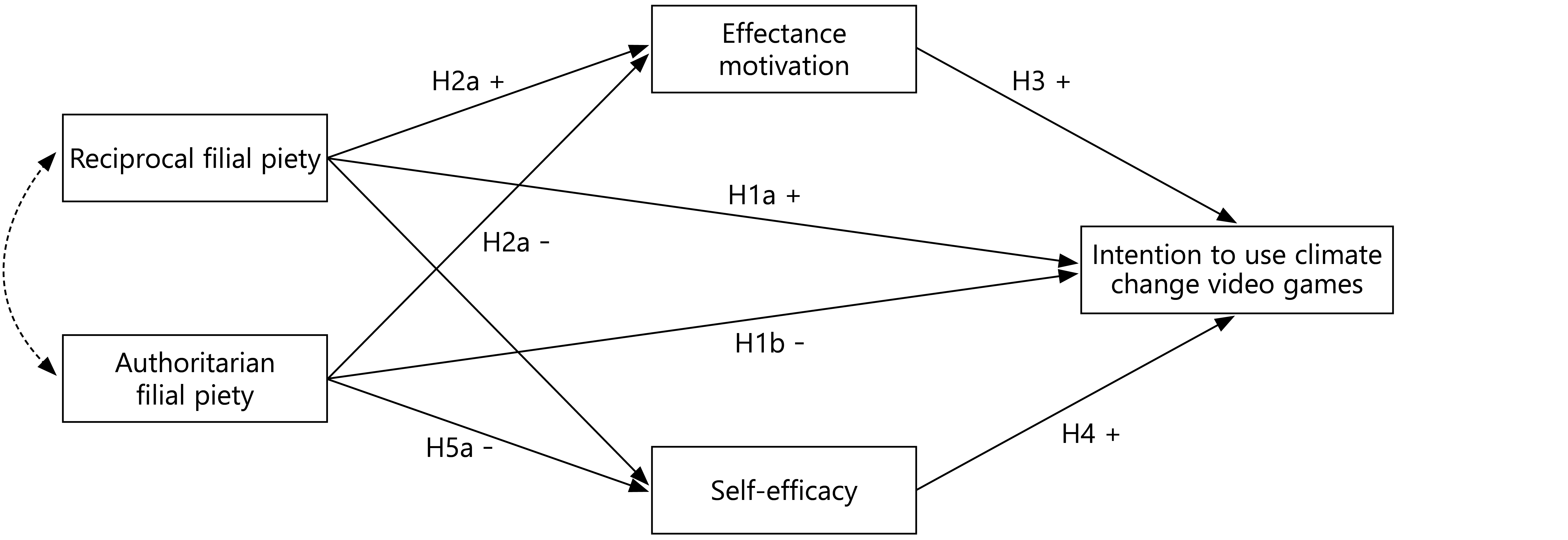
Figure 1. Conceptual Model of the Current Study
Note. The dashed line denotes a bidirectional relationship.
Method
Participants
We recruited 423 students enrolled at Harbin University of Science and Technology. All participants were Chinese, consisting of 245 (57.9%) young men and 178 (42.1%) young women, aged between 18 and 23 years (M = 20.40, SD = 1.78). Data collection took place in the fall of 2021 via self-reported online surveys on Wenjuanxing, a survey company in China with over 2.6 million registered panel members.
Measures
We developed the survey instrument for this study using existing scales, with some minor modifications to fit the research context. Items were translated into Chinese by students majoring in English from our university. To ensure that the translated items were clear and understandable to potential respondents, we administered a pretest to a sample of 10 students who did not participate in the main study. The pretest students had no difficulty comprehending the items, implying that the translated scales were adequate. All constructs were quantified using a 5-point Likert scale (1 = strongly disagree to 5 = strongly agree).
Effectance Motivation
The three items used to assess effectance motivation were based on the scale assessing perceived confidence that was developed by Su and Cheng (2015). To focus on the setting of climate change we made minor modifications to address respondents’ perceived confidence in protecting the environment. A sample item is “I am confident that I can apply what I learn about competencies using educational video games to protect the environment in daily life.” Cronbach’s alpha was .94, indicating high internal consistency.
Self-Efficacy
We used four items to assess self-efficacy in achieving the goal of the CCVG, adapted from those developed by Zhao et al. (2022). A sample item is “Compared with other students in this class, I expect to use educational video games to develop my knowledge about climate change well.” Cronbach’s alpha was .97, indicating high internal consistency.
Intention to Use Climate Change Video Games
To assess participants’ attitude toward CCVG use, we adopted two items from the technology acceptance measure developed by Davis (1985). A sample item is “I want to use educational video games to develop my knowledge about climate change.” Cronbach’s alpha was .93, indicating good internal consistency.
Filial Piety
We chose the 11-item Filial Piety Scale (Yu, 2009) to measure participants’ level of filial piety. This scale was developed from the original dual filial piety model proposed by Yeh and Bedford (2003) and adjusted to fit the Chinese context. Five items assess RFP (e.g., “I will be concerned about my parents, as well as seeking to understand them”) and the other six items measure AFP (e.g., “I will take the initiative to assist my parents when they are busy”). Cronbach’s alpha values were .90 for RFP and .87 for AFP, indicating good internal consistency.
Procedure
During screening, we introduced CCVG to all first- and second-year students (N = 1,289) at the university, emphasizing their educational value. We asked students to share the information with their parents to discuss approval for playing the game. If parents agreed, students confirmed this via email, enabling us to send them the survey link. Participants provided informed consent before accessing the study. They then received an introduction to the climate change game (Ningmengcha, 2022), learning about the different recycling bins for waste. Correct recycling earns the player virtual gold coins, while incorrect disposal deducts coins. After finishing the game, participants filled out a questionnaire. Screenshots of the game appear in Figure 2.

Figure 2. Screenshots of Recycling Game Stimulus
Results
Preliminary Analysis
As all participants were from the same age range and had similar educational backgrounds, we did not consider age as a potential confounding variable. However, we conducted an independent samples t test to evaluate potential gender effects. The results showed that gender did not affect students’ intention to play CCVG, t(412.74) = 1.26, p = .18. Therefore, neither age nor gender was included in the subsequent analyses.
We examined the correlations among RFP, AFP, effectance motivation, self-efficacy, and the intention to play CCVG, finding that both effectance motivation and self-efficacy were positively correlated with gaming intention. Additionally, both RFP and AFP were significantly associated with the intention to play CCVG. Table 1 presents the descriptive statistics and zero-order correlations among the key variables.
Table 1. Descriptive Statistics and Correlations for Study Variables

Note. CCVG = climate change video games.
** p < .01.
Model Validation and Mediation Analysis
We first assessed the validity of the proposed model using several model fit indices. The normed fit index was .90, consistent with the criteria for a well-fitting model (≥ .90). Additionally, the standardized root-mean-square residual was .031 (≤ .08), suggesting a satisfactory fit of the model.
To test the meditation model, in which effectance motivation and self-efficacy were considered potential mediators for explaining the relationship between filial piety and the intention to play CCVG, we employed Model 4 of the SPSS PROCESS macro with a bootstrapping method involving 5,000 resamples and calculating 95% confidence intervals (CIs; Hayes, 2017). In the proposed model AFP and RFP were the primary predictors of gaming intention, with their relationship clarified by effectance motivation and self-efficacy. Therefore, we ran the analysis twice, once for each predictor. As hypothesized, RFP significantly and indirectly predicted young people’s gaming intention through both effectance motivation, b = 0.18, SE = 0.62, 95% CI [0.63, 0.31], and self-efficacy, b = 0.35, SE = 0.65, 95% CI [0.23, 0.49]. Consequently, the total effect of RFP on gaming intention was significant, b = 0.58, SE = 0.06, p < .001, 95% CI [0.45, 0.70]. However, the direct effect of RFP on effectance motivation was not significant, b = 0.05, SE = 0.06, p = .10, 95% CI [−0.01, 0.11]. Finally, when effectance motivation and self-efficacy were included as mediators, stronger RFP predicted greater effectance motivation, b = 0.55, SE = 0.60, p < .001, and higher self-efficacy, b = 0.55, SE = 0.06, p < .001. Meanwhile, greater effectance motivation, b = 0.32, SE = 0.07, p < .001, and self-efficacy, b = 0.64, SE = 0.07, p < .001, were associated with higher gaming intention. The results are summarized in Figure 3a.
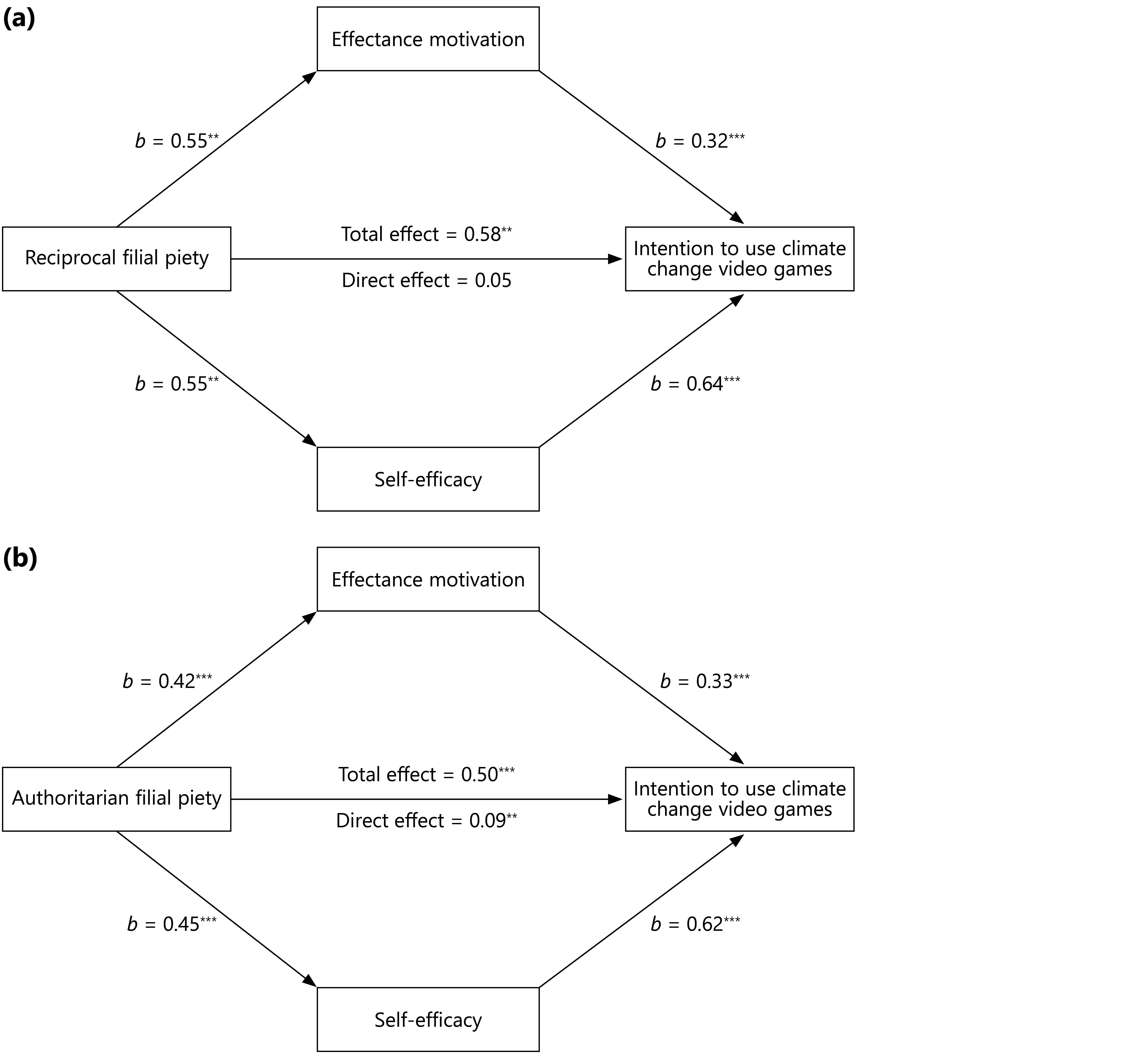
Figure 3. Mediation Analysis Results With the Primary Predictors of (a) Relationship Filial Piety and (b) Authoritarian Filial Piety
Note. Standardized coefficients are reported.
** p < .01. *** p < .001.
Further, AFP indirectly predicted gaming intention among Chinese young adults through the significant mediators of effectance motivation, b = 0.14, SE = 0.05, 95% CI [0.05, 0.24], and self-efficacy, b = 0.28, SE = 0.06, 95% CI [0.17, 0.39]. The direct effect of AFP on gaming intention was also significant, b = 0.09, SE = 0.03, p < .001, 95% CI [0.03, 0.14]. Therefore, the total effect of AFP on gaming intention was also significant, b = 0.50, SE = 0.06, p < .001, 95% CI [0.39, 0.61]. Last, when we designated effectance motivation and self-efficacy as mediators, the results indicated that as AFP increased, both effectance motivation, b = 0.42, SE = 0.05, p < .001, and self-efficacy, b = 0.45, SE = 0.05, p < .001, also improved. Simultaneously, higher effectance motivation, b = 0.33, SE = 0.07, p < .001, and greater self-efficacy, b = 0.62, SE = 0.07, p < .001, predicted increased gaming intention among Chinese young adults. These results are summarized in Figure 3b.
Discussion
This study investigated the role of two types of filial piety in predicting gaming intention toward CCVG among young Chinese adults. Our findings partially supported the hypothesized model, demonstrating that both RFP and AFP indirectly predicted gaming intention through the mediating roles of effectance motivation and self-efficacy. These results challenge traditional assumptions about filial piety as a restrictive cultural value and highlight its adaptive potential in modern contexts, particularly in fostering proenvironmental behaviors through gamified learning.
Theoretical Contributions
Filial Piety and Gaming Intention
Regarding Hypotheses 1a and 1b, only AFP directly predicted gaming intention, whereas RFP exerted an indirect influence. However, the association between AFP and gaming intention was positive, contrary to the proposed direction of Hypothesis 1b. This suggests that young adults’ compliance with parental authority (AFP) may align with goals perceived as socially beneficial, such as environmental protection, even in gaming contexts. Traditionally, AFP has been associated with suppressed autonomy and creativity (Bedford & Yeh, 2019), but our findings reflect evolving parental attitudes in China. For instance, the post-1990s generation has been raised under education reforms prioritizing critical thinking (Jia et al., 2009), potentially fostering parental acceptance of educational technologies like CCVG. This aligns with Moore’s (2005) observation that Chinese families increasingly balance autonomy and interconnectedness, enabling AFP to act as a facilitator of adaptive behaviors rather than a suppressor.
Effectance Motivation as a Mediator
With regard to Hypotheses 2a and 2b, RFP and AFP significantly predicted effectance motivation despite the positive association between AFP and effectance motivation. The findings of our study also supported Hypothesis 3, with effectance motivation significantly mediating the association between filial piety and gaming intention. Effectance motivation—the drive to master tasks and achieve goals—emerged as a critical mechanism linking filial values to gaming behaviors. This supports Klimmt et al.’s (2007) assertion that effectance motivation amplifies goal-directed behavior, particularly in interactive media. Our study has extended this framework to the context of proenvironmental gaming, suggesting that parental endorsement of CCVG may channel filial obligations into motivation to achieve climate-related goals. For example, Xie et al. (2021) found that parental acceptance of educational games increases when their purpose is transparent, a dynamic that was mirrored in our findings. Parents who view CCVG as tools for learning may implicitly encourage their children’s engagement, aligning familial expectations with environmental objectives.
Self-Efficacy as a Mediator
Self-efficacy also mediated the relationship between filial piety and gaming intention, supporting Hypothesis 4. Moreover, RFP and AFP were positively correlated with self-efficacy, which partially supported Hypotheses 5a and 5b. The emphasis of RFP on repaying parental sacrifices (Yeh & Bedford, 2003) may foster self-efficacy by framing environmental goals as acts of familial duty. Contrary to the anticipated negative association between AFP and self-efficacy, we found that AFP was positively predictive of self-efficacy. This suggests that AFP’s structured norms provide psychological stability, reinforcing individuals’ belief in their ability to achieve desired outcomes (Chen, 2016). These findings align with Bandura et al.’s (1999) self-efficacy theory, which posits that social and cultural contexts shape confidence in one’s capabilities. In collectivist cultures like China, familial identity profoundly influences self-perception (Zhao et al., 2022), meaning parental approval of CCVG could bolster young adults’ confidence in leveraging gaming for environmental learning. This is critical, as self-efficacy, including in relation to use of educational games, strongly predicts technology adoption (Martí-Parreño et al., 2018).
Practical Implications
Reconciling Tradition and Modernity
Our study challenges the East-versus-West dichotomy often applied to cultural values. Filial piety, frequently criticized as rigid and outdated (Ho, 1996), emerged here as a dynamic construct that can harmonize with modern educational tools. For instance, Chinese parents’ growing acceptance of e-learning (Wang et al., 2018) reflects a broader trend of integrating tradition with innovation. This aligns with Tamis-LeMonda et al.’s (2008) argument that collectivism and individualism are not mutually exclusive; familial interconnectedness can coexist with individual autonomy. In the context of CCVG, filial piety may thus serve as a cultural catalyst, encouraging young adults to adopt proenvironmental behaviors while fulfilling familial expectations.
Policy and Design Recommendations
For policymakers and game developers, our findings underscore the importance of cultural sensitivity and awareness. In regions where filial piety is deeply rooted, framing CCVG as a tool for familial and societal betterment, rather than mere entertainment, could enhance parental endorsement. For example, campaigns could highlight how CCVG foster skills valued in Confucian cultures, such as responsibility and perseverance. Developers might also incorporate collaborative elements (e.g., parent–child gameplay) to align with familial values. Such strategies could maximize the potential of CCVG in China and other collectivist societies, including Mediterranean and Latin American countries where family interconnectedness remains central (Tamis-LeMonda et al., 2008).
Limitations and Future Research
This study’s reliance on university students as the sample limits the generalizability of the results. Filial piety perceptions vary across regions and socioeconomic groups; rural populations may prioritize AFP more than urban groups do. Future research could include diverse demographics to address this. Further, self-report measures may introduce social desirability bias in cultures emphasizing familial harmony. Longitudinal or experimental designs could strengthen causal inferences, such as pre–post studies assessing shifts in parental attitudes after exposure to the content of CCVG. Education level may moderate the influence of filial piety, as higher education is associated with critical thinking and individualism. Investigating this relationship could reveal how CCVG appeal to different educated populations. Finally, qualitative studies on parent–child dialogues about gaming could provide deeper insights into familial dynamics.
Conclusion
This study reframes filial piety as a dynamic cultural asset that enhances, rather than hinders, engagement with modern technologies like CCVG. Via the mediating pathways of effectance motivation and self-efficacy, filial values encourage young adults to adopt proenvironmental gaming behaviors that align with familial and societal goals. Our findings advance theories of cultural psychology and educational technology and offer actionable strategies for leveraging tradition in climate change education. As global societies seek to balance heritage and progress, our study underscores the potential of cultural values to drive meaningful behavioral change in an increasingly digital world.
Ajibade, P. (2018). Technology acceptance model limitations and criticisms: Exploring the practical applications and use in technology-related studies, mixed-method, and qualitative researches.
Library Philosophy and Practice, 9.
https://digitalcommons.unl.edu/libphilprac/1941/
Bassiouni, D. H., Hackley, C., & Meshreki, H. (2019). The integration of video games in family-life dynamics: An adapted technology acceptance model of family intention to consume video games.
Information Technology & People,
32(6), 1376–1396.
https://doi.org/10.1108/ITP-11-2017-0375
Bedford, O., & Yeh, K.-H. (2019). The history and the future of the psychology of filial piety: Chinese norms to contextualized personality construct.
Frontiers in Psychology,
10, Article 100.
https://doi.org/10.3389/fpsyg.2019.00100
Blumstein, D. T., & Saylan, C. (2011). The failure of environmental education (and how we can fix it). University of California Press.
Christoph, K., & Tilo, H. (2006). Effectance, self-efficacy, and the motivation to play video games. In P. Vorderer & J. Bryant (Eds.),
Playing video games (pp. 153–168). Routledge.
https://doi.org/10.4324/9780203873700-12
Danby, S., Evaldsson, A.-C., Melander, H., & Aarsand, P. (2018). Situated collaboration and problem solving in young children’s digital gameplay.
British Journal of Educational Technology,
49(5), 959–972.
https://doi.org/10.1111/bjet.12636
Davis, F. D. (1985). A technology acceptance model for empirically testing new end-user information systems: Theory and results (Doctoral dissertation). Massachusetts Institute of Technology.
Eseryel, D., Law, V., Ifenthaler, D., Ge, X., & Miller, R. (2014). An investigation of the interrelationships between motivation, engagement, and complex problem solving in game-based learning.
Journal of Educational Technology & Society,
17(1), 42–53.
https://www.jstor.org/stable/jeductechsoci.17.1.42
Fernández Galeote, D., & Hamari, J. (2021). Game-based climate change engagement: Analyzing the potential of entertainment and serious games.
Proceedings of the ACM on Human-Computer Interaction,
5, Article 226.
https://doi.org/10.1145/3474653
Ge, X. (2021). Multidimensional psychology of filial piety (xiao): Differences in orientation and changes from ancient to modern times [In Chinese].
Acta Psychologica Sinica,
53(3), 306–321.
https://doi.org/10.3724/SP.J.1041.2021.00306
Hamari, J., Shernoff, D. J., Rowe, E., Coller, B., Asbell-Clarke, J., & Edwards, T. (2016). Challenging games help students learn: An empirical study on engagement, flow and immersion in game-based learning.
Computers in Human Behavior,
54, 170–179.
https://doi.org/10.1016/j.chb.2015.07.045
Hashimoto, A., & Ikels, C. (2005). Filial piety in changing Asian societies. In M. L. Johnson, V. L. Bengtson, P. G. Coleman, & T. B. L. Kirkwood (Eds.),
The Cambridge handbook of age and ageing (pp. 437–442). Cambridge University Press.
https://doi.org/10.1017/CBO9780511610714.046
Hayes, A. F. (2017). Introduction to mediation, moderation, and conditional process analysis: A regression-based approach. Guilford Press.
Ho, D. Y. (1996). Filial piety and its psychological consequences. In M. H. Bond (Ed.), The handbook of Chinese psychology (pp. 155–165). Oxford University Press.
Hui, E. K. P., Sun, R. C. F., Chow, S. S.-Y., & Chu, M. H.-T. (2011). Explaining Chinese students’ academic motivation: Filial piety and self-determination.
Educational Psychology, 31(3), 377–392.
https://doi.org/10.1080/01443410.2011.559309
Intergovernmental Panel on Climate Change. (2023). 2023: Synthesis report. In Intergovernmental Panel on Climate Change Core Writing Team, H. Lee, & J. Romero (Eds.),
Climate change (pp. 35–115).
https://doi.org/10.59327/IPCC/AR6-9789291691647
Jia, Y., Way, N., Ling, G., Yoshikawa, H., Chen, X., Hughes, D., Ke, X., & Lu, Z. (2009). The influence of student perceptions of school climate on socioemotional and academic adjustment: A comparison of Chinese and American adolescents.
Child Development, 80(5), 1514–1530.
https://doi.org/10.1111/j.1467-8624.2009.01348.x
Klimmt, C., Hartmann, T., & Frey, A. (2007). Effectance and control as determinants of video game enjoyment.
CyberPsychology & Behavior,
10(6), 845–847.
https://doi.org/10.1089/cpb.2007.9942
Kraus, H., Zhu, Y., & Deng, G. (2020). Gamification in large EFL classes: A preliminary investigation.
Electronic Journal of Foreign Language Teaching,
17(2), 381–391.
https://doi.org/10.56040/hrky1732
Kwok, R. (2019). Science and culture: Can climate change games boost public understanding?
Proceedings of the National Academy of Sciences of the United States of America,
116(16), 7602–7604.
https://doi.org/10.1073/pnas.1903508116
Lau, S., Lew, W. J. F., Hau, K.-T., Cheung, P. C., & Berndt, T. J. (1990). Relations among perceived parental control, warmth, indulgence, and family harmony of Chinese in mainland China.
Developmental Psychology,
26(4), 674–677.
https://doi.org/10.1037/0012-1649.26.4.674
Malatji, W. R., Eck, R. V., & Zuva, T. (2020). Understanding the usage, modifications, limitations and criticisms of technology acceptance model (TAM).
Advances in Science, Technology and Engineering Systems Journal,
5(6), 113–117.
https://doi.org/10.25046/aj050612
Martí-Parreño, J., Galbis-Córdova, A., & Miquel-Romero, M. J. (2018). Students’ attitude towards the use of educational video games to develop competencies.
Computers in Human Behavior,
81, 366–377.
https://doi.org/10.1016/j.chb.2017.12.017
Moser, S. C. (2010). Communicating climate change: History, challenges, process and future directions.
WIREs Climate Change, 1(1), 31–53.
https://doi.org/10.1002/wcc.11
National Bureau of Statistics of China. (2020). Statistical communiqué of the People’s Republic of China on the 2019 national economic and social development [In Chinese].
Ningmengcha, K. (2022). What are some games with an eco-friendly theme? Five fun eco-friendly games to check out [In Chinese]. Wandoujia.
Ouariachi, T., Olvera-Lobo, M. D., Gutiérrez-Pérez, J., & Maibach, E. (2019). A framework for climate change engagement through video games.
Environmental Education Research,
25(5), 701–716.
https://doi.org/10.1080/13504622.2018.1545156
Pfirman, S., O’Garra, T., Bachrach Simon, E., Brunacini, J., Reckien, D., Lee, J. J., & Lukasiewicz, E. (2021). ‘Stickier’ learning through gameplay: An effective approach to climate change education.
Journal of Geoscience Education,
69(2), 192–206.
https://doi.org/10.1080/10899995.2020.1858266
Restrepo, A., Scheininger, T., Clucas, J., Alexander, L., Salum, G. A., Georgiades, K., Paksarian, D., Merikangas, K. R., & Milham, M. P. (2020). Problematic internet use in children and adolescents: Associations with psychiatric disorders and impairment.
BMC Psychiatry,
20(1), Article 252.
https://doi.org/10.1186/s12888-020-02640-x
Sánchez-Mena, A., Martí-Parreño, J., & Aldás-Manzano, J. (2019). Teachers’ intention to use educational video games: The moderating role of gender and age.
Innovations in Education and Teaching International,
56(3), 318–329.
https://doi.org/10.1080/14703297.2018.1433547
Sheppard, S. R. (2012). Visualizing climate change: A guide to visual communication of climate change and developing local solutions. Routledge.
Su, C.-H., & Cheng, C.-H. (2015). A mobile gamification learning system for improving the learning motivation and achievements.
Journal of Computer Assisted Learning,
31(3), 268–286.
https://doi.org/10.1111/jcal.12088
Tamis-LeMonda, C. S., Way, N., Hughes, D., Yoshikawa, H., Kalman, R. K., & Niwa, E. Y. (2008). Parents’ goals for children: The dynamic coexistence of individualism and collectivism in cultures and individuals.
Social Development,
17(1), 183–209.
https://doi.org/10.1111/j.1467-9507.2007.00419.x
Wang, Y., Liu, X., & Zhang, Z. (2018). An overview of e-learning in China: History, challenges and opportunities.
Research in Comparative and International Education,
13(1), 195–210.
https://doi.org/10.1177/1745499918763421
Wei, H., Duan, H., Ding, Q., & Zhou, Z. K. (2019). Filial piety comes first? The relationship between filial piety belief and internet addiction of college students [In Chinese].
Psychological Development and Education,
35, 40–47.
https://doi.org/10.16187/j.cnki.issn1001-4918.2019.01.05
Xie, J., Wang, M., & Hooshyar, D. (2021). Student, parent, and teacher perceptions towards digital educational games: How they differ and influence each other.
Knowledge Management and E-Learning,
13(2), 142–160.
https://doi.org/10.34105/j.kmel.2021.13.008
Zhao, L., Kong, F., & Yang, X. (2022). Study on the relationship between Confucian filial piety culture and Chinese youth’s entrepreneurial intention.
Frontiers in Psychology,
12, Article 783399.
https://doi.org/10.3389/fpsyg.2021.783399